Redundancy in Prepping: Backups, Skills, and Practical Steps
Redundancy in prepping means having several different ways to meet each essential need so a single failure does not cause a crisis. Start with a reliable primary, add a different backup, include a low-tech fallback, and learn the skills to use them.
Summary: Build layered solutions for water, food, shelter, power, medical care, and communication so one problem does not become a disaster.
Quick summary
- Definition: multiple, diverse ways to satisfy a critical need so a single failure does not become a disaster.
- First steps: secure water, food, shelter and warmth, lighting and power, medical supplies, and at least two ways to communicate.
- Rule of thumb: “Two is one, and one is none.” Favor solutions that fail differently, such as electric and manual options.
What redundancy in prepping means
Redundancy is deliberate layering: primary, backup, low-tech fallback, and skill. The emphasis is on different failure modes, not on owning more of the same item.
Examples:
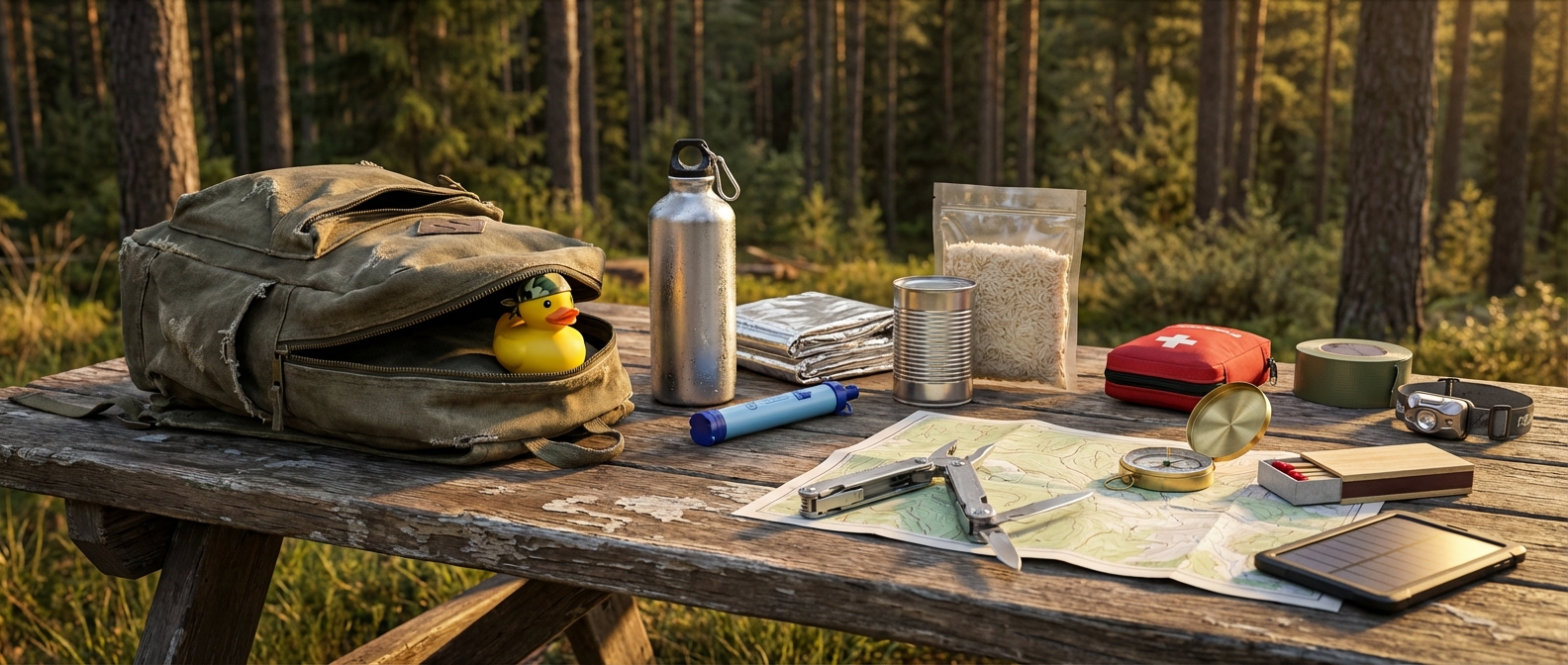
- Effective: stored water, a portable filter, purification tablets, and knowledge of local water sources.
- Ineffective: six identical flashlights that all require the same rare battery.
Why redundancy matters
Redundancy prevents single points of failure. If the grid goes down, a gas camp stove and a solar cooker give you options for heat and food. If roads are blocked, a bicycle can replace a car for short trips. Multiple systems buy time and reduce the pressure to improvise under stress.
Check guidance from FEMA, the Red Cross, NOAA, and your local emergency management for recommendations specific to your area.
What redundancy looks like in practice
- If you rely on bottled water, add a filter, purification tablets, and a metal pot for boiling.
- For lighting, combine a rechargeable lantern, battery flashlights, and a non-electric option such as candles or a hand-crank lantern used with safety precautions.
Duplication versus redundancy
- Duplication: identical items that share the same failure mode, for example several devices that all need the same obsolete battery.
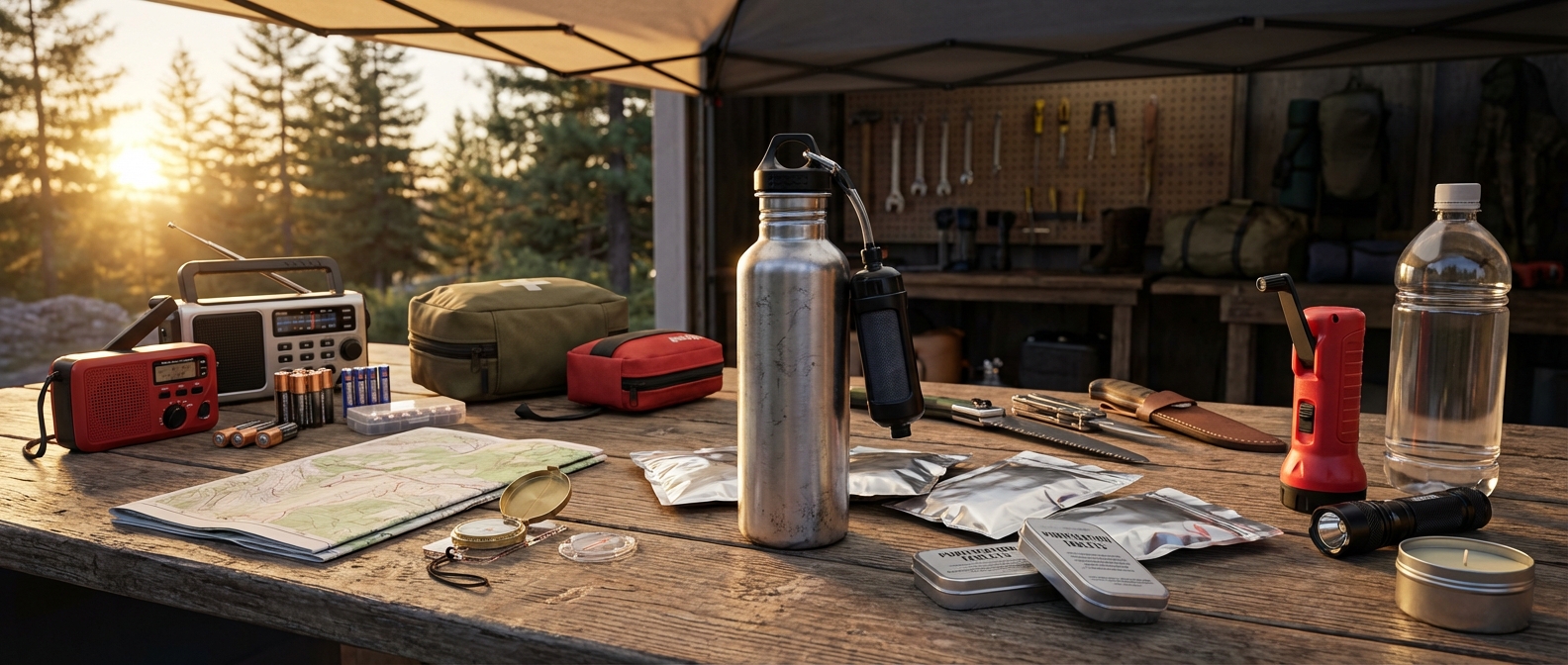
- Redundancy: different items or methods that cover the same function but fail differently, such as a solar charger, a battery bank, and a hand-crank radio.
Benefits of redundancy in prepping
- Prevents single points of failure, for example having a non-electric cooking method if fuel shipments stop.
- Works across varied conditions like blackouts, supply disruptions, and road closures.
- Buys time to make better decisions rather than forcing quick improvisation.
- Lets trained skills substitute for gear, for example purifying water by boiling when filters are damaged.
Common areas to apply redundancy
Prioritize by local hazards and household needs. Not every category needs the same level of investment.
Water
Water becomes urgent quickly. Layer options:
- Short-term: bottled water for immediate needs.
- Longer-term: larger storage containers and barrels.
- Filtration: a portable pump or gravity filter.
- Chemical: chlorine or purification tablets.
- Thermal: the ability to boil water on a stove or over a fire.
- Knowledge: maps of safe local water sources and how to treat raw water.
Practical start: keep a few days of bottled water at home, a portable filter in a go-bag, tablets as backup, and a metal pot for boiling.
Food
Choose items by shelf life and how you will prepare them:
- Ready-to-eat cans, dehydrated meals, and MREs.
- Dry staples like rice, beans, and oats that store well.
- Long-term freeze-dried meals for extended outages.
- Multiple cooking methods: kitchen stove, camp stove, and an outdoor safe fire option.
Include a few comfort foods for morale.
Shelter and warmth
Backups should keep you dry and warm if the primary shelter fails.
- Emergency blankets and climate-rated sleeping bags.
- Tarps or a tent for temporary shelter.
- Extra clothing layers and waterproofing supplies.
- Safe alternate heating methods and instructions for use.
Power and lighting
Layered options reduce outage risk:
- Flashlights, headlamps, and lanterns.
- Extra batteries and power banks.
- Solar chargers and a small portable power station.
- Candles or chemical lights as last resorts, used carefully.
Communication
A simple redundant plan includes:
- Charged cell phones and portable battery banks.
- A NOAA/weather radio or hand-crank radio.
- Printed emergency contacts and meeting points.
- An out-of-area contact and, if practical, a landline or amateur radio.
Medical and hygiene
- A full home first-aid kit plus a compact travel kit.
- Extra prescriptions when allowed by law.
- Spare glasses or contact supplies.
- Sanitation supplies like soap, toilet paper, and feminine hygiene items.
Tools, fire starting, and repairs
- A multi-tool and a sturdy fixed-blade knife.
- Multiple fire starters: lighter, waterproof matches, ferro rod.
- Duct tape, paracord, and a basic repair kit.
Transportation and evacuation
- Plan multiple evacuation routes and keep printed maps.
- Maintain a reasonable fuel habit, for example topping up when the tank is near half if evacuation risk is high.
- Consider a bicycle for short or fuel-limited trips.
- Keep a ready go-bag with essentials and printed contacts.
Practical implementation tips
- Start with critical needs: water, food, shelter and warmth, medical, communication, and lighting and power.
- Build in layers: primary, backup, low-tech backup, then the skill to use them.
- Mix failure modes: electric, battery, and manual systems.
- Store backups in multiple locations: home, vehicle, workplace, and go-bag.
- Learn priority skills: water treatment, firecraft, basic first aid, and navigation without GPS.
- Avoid expensive redundancy you will not realistically use.
Simple redundancy checklist (starter)
- Water: home supply, portable filter, purification tablets, and knowledge of local sources.
- Food: several days of shelf-stable food and a way to cook without grid power.
- Lighting: rechargeable lamp, flashlight, and candles or chemical light.
- Power: battery bank, solar charger, and basic electrical safety know-how.
- Communication: phone, battery bank, radio, and printed contacts.
- Medical: home first-aid kit, travel kit, and prescriptions as appropriate.
FAQ
Q: What is redundancy in prepping? A: Multiple ways, including gear, plans, and skills, to meet essential needs so one failure does not cause a disaster.
Q: How do new preppers start? A: Find the critical needs and add one backup per category, starting with water, food, lighting and power, communication, and medical supplies.
Q: Is redundancy just buying duplicates? A: No. Smart redundancy mixes different, reliable solutions so they do not fail the same way.
Q: Is redundancy expensive? A: It can be, but low-cost options like extra batteries, a small filter, a hand-crank radio, printed contacts, and basic training deliver high value.
First high-impact actions
- Secure several days of water and a portable filter.
- Store a few days of shelf-stable food.
- Assemble a go-bag with backups and printed contacts.
- Learn one critical skill, such as first aid or water purification.
Key takeaways
Redundancy in prepping means building multiple, diverse ways to meet essential needs. Start small. Focus on different failure modes, spread supplies across locations, and learn the skills that make equipment useful. When situations get chaotic, the backup for your backup matters.
Verify regional rules on prescription refills, fuel storage, and building codes. Follow official agency guidance before you implement any plan.