When It Happened Before
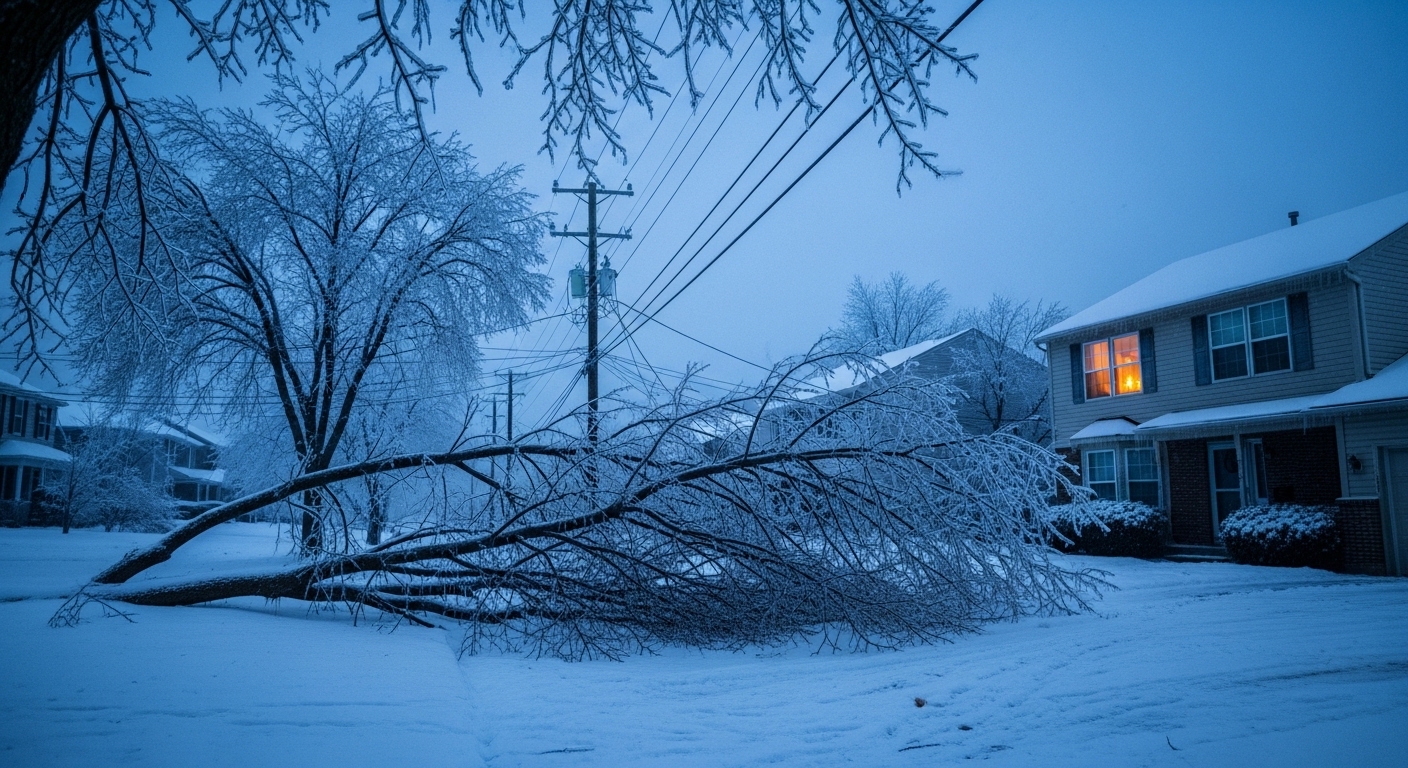
In February 2021, Winter Storm Uri slammed into Texas and revealed what happens when winter storm preparedness is treated as someone else’s problem. Temperatures plunged to single digits across a state where many homes lack insulation rated for anything below 30°F. The Electric Reliability Council of Texas (ERCOT) grid buckled under demand it was never designed to handle, and within hours, 4.5 million homes lost power — some for nearly a week straight. Pipes froze and burst in millions of homes simultaneously. Water treatment plants lost pressure and power, leaving over 12 million Texans under boil-water notices with no way to boil water. At least 246 people died, many from hypothermia in their own homes, others from carbon monoxide poisoning after running generators, grills, and car engines indoors out of desperation. The economic damage topped $195 billion, making Uri one of the costliest natural disasters in U.S. history. People burned furniture for warmth. Grocery store shelves were stripped bare within the first day. Families with young children melted snow in bathtubs because the taps ran dry. This wasn’t a remote wilderness scenario — it was suburban Dallas, Houston, Austin, and San Antonio.
But Uri wasn’t the first time a winter storm exposed critical infrastructure. In January 1998, a catastrophic ice storm struck Quebec and the northeastern United States, coating power lines in inches of ice and collapsing over 1,000 transmission towers like they were made of balsa wood. 4 million people lost power, some for up to five weeks. The Canadian military deployed 16,000 troops — the largest domestic deployment since the 1970 October Crisis. Thirty-five people died, many elderly residents who refused to leave their homes. Entire dairy herds were lost because farmers couldn’t run milking equipment or keep barns above freezing. The storm caused over $5.4 billion in damage in Canada alone. If you think extended grid failure only happens in developing nations, Quebec would like a word.
And it doesn’t take a winter storm to kill the grid. The Northeast Blackout of 2003 knocked out power to 55 million people across the eastern United States and Canada — triggered not by weather but by a software bug and overgrown trees touching power lines in Ohio. The cascade took nine seconds to black out an area stretching from New York City to Toronto. Some areas didn’t see power restored for four days. Over 100 deaths were attributed to the blackout, mostly from heat-related causes and the failure of medical equipment. The lesson? Grid failure is its own beast, and it can compound any weather event into a genuine survival situation overnight. When the European Cold Wave of 2021 hit, energy shortages across the continent caused rolling blackouts and exposed how dangerously dependent entire nations had become on single energy sources — particularly natural gas pipelines that were already running at capacity. The pattern is consistent: extreme cold plus grid failure equals a body count, every single time.
How Much Warning You’ll Actually Get
Here’s the honest truth: for major winter storms, you typically get 3 to 7 days of advance warning. Modern meteorology is remarkably good at predicting large-scale winter weather events. The National Weather Service issued warnings about Uri almost a week before it hit. ERCOT itself knew demand would spike. The information was there. The problem wasn’t prediction — it was action. Most people heard the warnings, assumed it would be a dusting or a day of inconvenience, and went about their business. By the time they realized this was different, the roads were impassable and the stores were empty.
What you won’t get much warning about is the grid failure cascade. Even if forecasters nail the storm timing, nobody can tell you exactly when or if the power grid will buckle under load. In Texas, the gap between “rolling blackouts to manage demand” and “complete system collapse requiring controlled shutdown” was measured in minutes. ERCOT later admitted the entire grid was roughly four minutes and thirty-seven seconds from a catastrophic failure that could have left the state without power for weeks or months. So plan around the storm window — you’ll see it coming — but understand that grid failure is the secondary event that turns a bad week into a survival situation, and that part comes with almost no warning at all. Rural residents face the added reality that they’re last in line for utility restoration and road clearing. Urban dwellers deal with density — more people competing for fewer emergency resources, more apartment buildings with no alternative heating, and water pressure drops that hit high-rises first.
The First 72 Hours
Hour one is about heat retention, not heat generation. The moment you lose power in a winter storm, your home starts bleeding warmth. A well-insulated house might hold livable temperatures for 8 to 12 hours. A poorly insulated one — especially older construction or homes with large windows — can drop below 50°F inside within 3 to 4 hours when it’s single digits outside. Your first move is to identify one room to heat and seal it off. Choose an interior room, ideally south-facing if it has windows for passive solar gain during the day. Hang blankets or heavy fabric in the doorways. Move everyone into that room. This is your survival core. Every degree you lose from the rest of the house is irrelevant — you’re protecting this one space. If you have a propane heater rated for indoor use, now is when you fire it up. And that carbon monoxide detector better already be installed and have fresh batteries, because CO poisoning killed dozens of people during Uri. People were running charcoal grills inside, idling cars in attached garages, and firing up unvented propane heaters not rated for enclosed spaces. Carbon monoxide is colorless and odorless. You’re drowsy, then you’re unconscious, then you’re dead. This is not an exaggeration — it is the second-leading cause of death in winter storm grid failures, right behind hypothermia.
Within the first 24 hours, your focus shifts to water and pipes. If temperatures are dropping below freezing and your heat is out, your pipes are on a countdown. Know where your main water shutoff valve is before the storm hits. If pipes freeze, you need to shut off water to prevent catastrophic flooding when they eventually thaw and burst. During Uri, burst pipes caused billions in water damage — people returned to homes with ceilings collapsed, walls saturated, and standing water throughout. If you still have water pressure, fill every bathtub, pot, and container you own immediately. If treatment plants lose power — and they did across Texas — even water that flows from the tap may not be safe. This is when you rely on your stored water: 7 or more gallons per person, minimum. That covers drinking, basic cooking, and minimal hygiene for a week. Not generous — minimum.
Days two and three are where the psychological grind begins and physical danger escalates. You’re cold. You’re probably not sleeping well. If you have elderly family members or infants in the home, they are at acute risk of hypothermia even at indoor temperatures that feel merely uncomfortable to a healthy adult. Infants can’t regulate body temperature efficiently, and elderly individuals may not even perceive how cold they’re getting. Sleeping bags rated to 0°F or below for every member of the household aren’t a luxury — they’re a critical piece of winter storm preparedness gear. Layer them with thermal underlayers and wool socks worn at all times. Cotton kills in cold weather; it holds moisture against the skin. Wool and synthetics insulate even when damp. You need a non-electric cooking method — a camp stove with propane canisters, or a wood-burning option if you have one — to prepare hot food and drinks. Calories are heat. A hot meal does more for morale and survival than most people realize. If you’re new to building out this kind of gear setup, The Best Camping Gear for Emergency Preparedness covers the essentials without the fluff.
When Days Become Weeks
After 72 hours without power in subfreezing conditions, the situation shifts from emergency to endurance. Your stored water supply starts to matter enormously — if pipes have burst and the municipal system has failed, there is no resupply coming from the tap. During the 1998 Quebec ice storm, some areas went five weeks without power. Think about that timeline for a moment. Refrigerated and frozen food is long gone by day three or four (though in a true deep freeze, your garage or an outdoor cooler becomes a makeshift freezer — small mercies). Fuel for heating becomes your most critical resource. A single 20-pound propane tank powering an indoor-rated heater at moderate output lasts roughly 40 to 50 hours. If you don’t have multiple tanks stored, you’re doing math you don’t want to do. Road ice may prevent resupply runs or evacuation for a week or more in severe events. In Quebec, the military had to physically evacuate rural residents who had no heat, no water, and no way to drive out.
The systems that break down follow a predictable order: power first, then water, then supply chains, then medical access. Pharmacies can’t operate or restock. Hospitals run on generators, but those generators need diesel, and fuel trucks can’t always get through. People on oxygen concentrators, dialysis, or refrigerated medications face life-threatening gaps within days. Community resilience — neighbors checking on neighbors, sharing fuel and food, pooling resources — becomes the difference between hardship and tragedy. If you’re just starting to think seriously about this kind of planning, Becoming a Prepper: The Beginner’s Guide to Survival Readiness lays out a practical foundation without any of the paranoia.
Long-Term: If It Doesn’t Resolve Quickly
Extended winter grid failures are not theoretical — they have historical precedent. The Quebec ice storm left some communities without power for over a month. During that period, daily life fundamentally changed. People relocated to emergency shelters, community centers, and the homes of anyone with a working wood stove or generator. Schools closed for weeks. Businesses shuttered. Insurance claims took years to resolve, and many homeowners discovered their policies didn’t cover the specific type of water damage from burst pipes or ice dams. The economic ripple effects lasted far longer than the cold.
In a prolonged scenario, new threats emerge that weren’t on anyone’s radar during the first week. Mold from burst-pipe water damage becomes a serious health hazard once temperatures rise. Mental health strain — from isolation, cold, sleep deprivation, and uncertainty — takes a measurable toll, particularly on children and elderly residents. Structural damage from ice accumulation on roofs can make homes uninhabitable even after power returns. The recovery phase of a major winter storm event often lasts months to years, not days to weeks. Your winter storm preparedness plan needs to account not just for surviving the event, but for what comes after — documenting damage, having critical documents accessible, and knowing when to make the call to evacuate rather than endure. Skills you might associate with wilderness survival — fire management, water purification, navigation without GPS — become surprisingly relevant. The Benefits of Learning Bushcraft Skills for Preppers covers why these skills aren’t just for the backcountry.
Your Winter Storm Preparedness Checklist
Before the Storm (Preparedness)
- Identify your survival room: Choose one interior room, ideally south-facing, to consolidate heating. Hang heavy blankets or moving pads in doorways to trap heat.
- Install pipe insulation on all exposed pipes in unheated spaces — attic, crawlspace, garage, exterior walls. Foam pipe sleeves cost a few dollars and prevent thousands in damage.
- Locate and label your main water shutoff valve. Practice turning it off. If pipes freeze and burst, you need to act in seconds, not spend twenty minutes searching with a flashlight.
- Store a minimum of 7 gallons of water per person. This accounts for drinking, cooking, and basic sanitation for one week. More is better. Municipal water treatment can and does fail during prolonged grid outages.
- Purchase a propane heater rated for indoor use (such as a Mr. Heater Buddy series) and at least two 20-pound propane tanks. Store propane outdoors, away from the house.
- Install carbon monoxide detectors in your survival room and adjacent hallways. Test batteries monthly. Buy backup batteries.
- Acquire sleeping bags rated to 0°F or below for every household member. Down bags pack smaller; synthetic bags retain insulation when damp. Either works — just check the rating.
- Stock thermal underlayers and wool socks for everyone. Include hats, gloves, and neck gaiters. Focus on merino wool or synthetic blends, not cotton.
- Set up a non-electric cooking solution: A dual-burner camp stove with at least 8 to 10 propane canisters, or a wood-burning stove if your home has one. Store fuel safely.
- Fill prescriptions early when a winter storm is forecast. Include a 30-day supply of critical medications if possible.
- Charge all devices and battery banks to 100%. A hand-crank or solar-capable weather radio is more reliable than your phone for emergency updates when cell towers lose power.
- Fuel vehicles to full and store additional gasoline safely if you have approved containers. Your car is a backup warming station and, worst case, your evacuation vehicle.
- Document your home with timestamped photos/video for insurance purposes before the storm hits.
During the Storm (Immediate Response)
- Consolidate everyone into the survival room. Close doors to all other rooms. Hang blanket barriers.
- If power is lost, shut off water to the house if there’s any indication of pipe freezing. Open faucets slightly to relieve pressure if you choose to leave water on.
- Run your indoor-rated propane heater at the lowest effective setting. Ventilate minimally — crack a window an inch in the heated room if the heater instructions require it. Never use an unvented heater, grill, camp stove, or generator indoors without proper ventilation.
- Layer clothing on everyone immediately. Thermal base layer, insulating mid-layer, outer shell if available. Wool socks, hats, gloves — even while sleeping.
- Ration water wisely. Prioritize drinking water. Use melted snow (boiled or purified) for non-drinking needs only.
- Eat calorie-dense foods regularly. Your body burns significantly more energy maintaining core temperature in the cold. High-fat, high-protein foods are ideal. Hot meals and drinks boost both warmth and morale.
- Check on vulnerable household members frequently. Elderly and infant body temperatures should be monitored. Confusion, slurred speech, or excessive sleepiness can indicate hypothermia even indoors.
- Never run a vehicle in an attached garage, even with the door open. CO accumulates faster than you think.
After the Storm (Recovery)
- Inspect pipes carefully before restoring water. Turn the main valve on slowly and check every exposed section, under sinks, behind walls where possible, and in the basement or crawlspace.
- Document all damage with photos and video before cleaning up. Contact your insurance company immediately.
- Check your roof and attic for ice dam damage, leaks, or structural stress from snow and ice load.
- Ventilate your home thoroughly once power and heat return. If any water intrusion occurred, monitor for mold growth over the following weeks. Address it immediately.
- Restock everything you used. Replace propane, water stores, batteries, food, and any medical supplies. The next event won’t send a calendar invite.
- Conduct a household debrief. What worked? What didn’t? What do you need that you didn’t have? Adjust your plan.
What Most People Get Wrong
The number one mistake in winter storm preparedness is assuming it won’t happen to you because of where you live. Texas proved that thesis catastrophically wrong. Millions of people in a historically warm-climate state had zero cold-weather emergency gear. No sleeping bags. No backup heat. No stored water. No pipe insulation. “It doesn’t get that cold here” is a statement about averages, and averages don’t keep you alive during outlier events. The second major mistake is treating the car as a survival plan. During Uri and the Quebec ice storm alike, roads became impassable within hours. If your plan requires driving somewhere, you need to execute it before the storm peaks, not after. By the time you realize you should have left, the window is closed.
The third — and deadliest — mistake is improper heating. Every major winter grid failure produces a wave of carbon monoxide deaths from people who thought running a generator in the garage, a charcoal grill in the living room, or an oven with the door open was a reasonable stopgap. It’s not. CO poisoning killed more people during Uri than some people realize, and many of those deaths were entirely preventable with a $30 CO detector and a heater actually rated for indoor use. People also consistently underestimate how much