Bug-Out Bag for Beginners: Build a Practical 72-Hour Emergency Kit
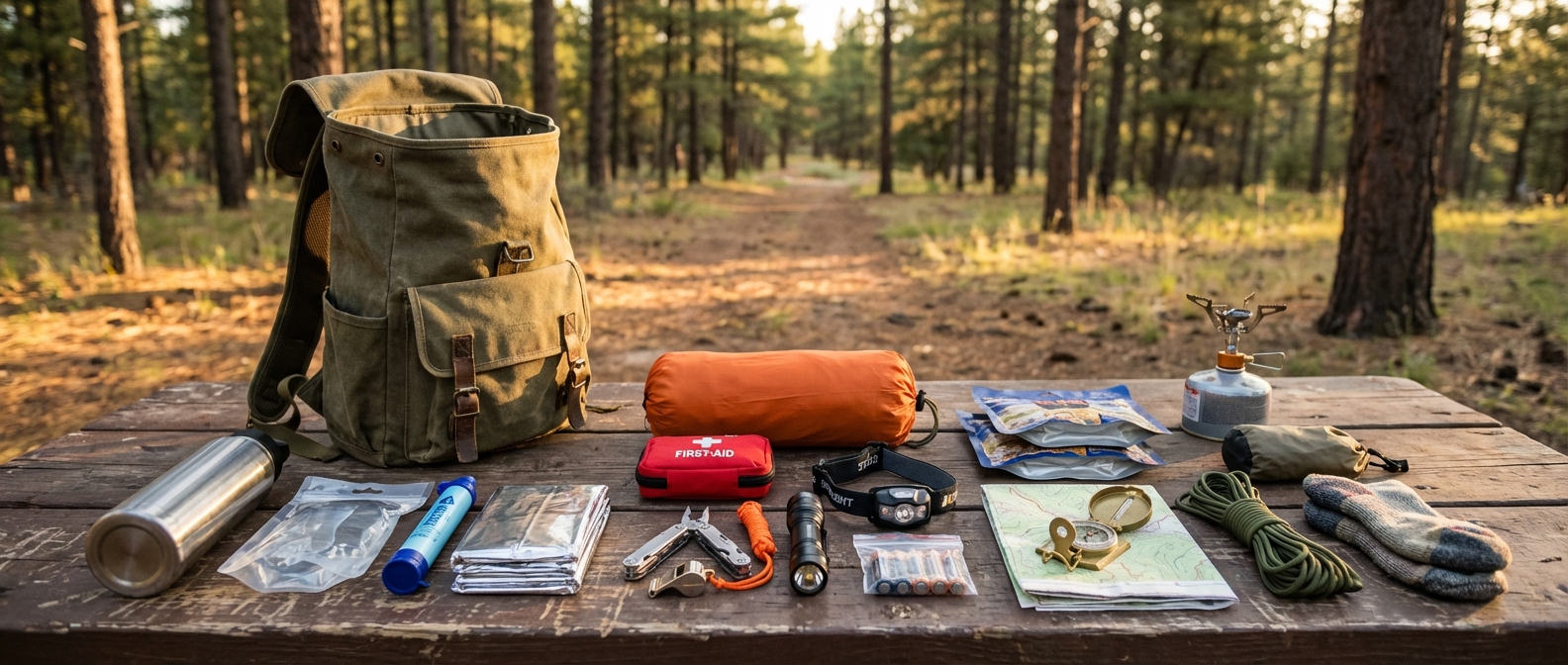
A bug-out bag for beginners is a grab-and-go pack with the essentials to survive roughly 72 hours away from home. Prioritize water and purification, calorie-dense food, shelter and warmth, basic first aid, light and fire, communication and navigation, hygiene, and important documents. Keep the weight practical and test-carry the pack.
What a bug-out bag for beginners actually is
A compact, pre-packed kit designed for fast evacuation. It holds food, water, shelter, basic medical supplies, tools, and copies of critical documents. The emphasis is on simplicity, mobility, and reliability—nothing fancy, nothing fragile.
Why have one
Emergencies—wildfire, flood, hurricane, or civil unrest—sometimes require leaving immediately. A ready bag shortens decision time and keeps you focused. Consult FEMA, the American Red Cross, and NOAA for local evacuation procedures and alert systems.
72-Hour Bug-Out Bag Checklist (copy-friendly)
-
Water
- 1–3 L immediate drinking water per person (more in hot conditions or with heavy activity)
- Purification: chlorine dioxide tablets or a compact filter such as a Sawyer Mini or LifeStraw
- Collapsible bottle or a lightweight reservoir
-
Food
- Three days of calorie-dense, ready-to-eat items: energy bars, meal pouches, trail mix, jerky
- Electrolyte packets for hot weather or heavy exercise
-
First aid
- Adhesive bandages, sterile gauze, medical tape, antiseptic wipes
- Tweezers, small scissors, nitrile gloves
- Over-the-counter meds: pain reliever, antihistamine, anti-diarrheal
- Personal prescriptions in original containers if possible
- Compact trauma supplies if you have training
-
Shelter & clothing
- Emergency blanket or SOL bivvy
- Lightweight tarp or poncho and paracord
- Extra socks, moisture-wicking base layer, insulating mid-layer
- Season-appropriate hat, gloves, and sun protection
-
Fire & light
- Headlamp (hands-free) plus a compact backup flashlight
- Spare batteries or a rechargeable power source
- Lighter, waterproof matches, or a ferrocerium rod
-
Tools, communication & navigation
- Sturdy knife or multi-tool
- Duct tape, 550 paracord, zip ties
- Whistle, small sewing kit, work gloves
- Power bank and charging cable
- NOAA/weather radio or phone with extra battery and printed local maps
- Compass, notepad, permanent marker
-
Hygiene & sanitation
- Wet wipes, travel toilet paper, hand sanitizer, small trash bags
- Toothbrush and paste, menstrual supplies if needed
-
Documents & money
- Waterproof pouch with ID copies, insurance cards, medication list, emergency contacts
- Small amount of cash in small bills
-
Optional items (add as needed)
- Baby supplies, child items, pet supplies, extra prescription meds, spare glasses, mobility aids
Packing — quick reference
- Water: 1–3 L + purifier
- Food: 3 days, ready-to-eat
- First aid: basic kit + prescriptions
- Shelter: emergency blanket or tarp
- Clothing: extra socks and layers
- Light & fire: headlamp, spare, lighter
- Tools: knife, multi-tool, cordage
- Comm/Nav: radio, charger, maps, compass
- Hygiene: wipes, TP, sanitizer
- Docs/Money: waterproof pouch, cash
Test the layout so items are reachable. Put frequently used things in external pockets. Keep heavy items close to your spine.
How heavy should it be?
Beginner packs commonly weigh 25–50 lb, depending on fitness, distance, and terrain. Aim for the lightest load that still covers essentials. Weigh the packed bag, do a test walk, then remove anything low-value or redundant. Shorter distances and urban routes allow lighter kits. Carrying for others adds weight—adjust accordingly.
Common mistakes beginners make
- Overpacking: treating the bag like a household supply stash. Carrying excess slows you down.
- Ignoring water treatment: bottled water runs out. Have purification for the next water source.
- Buying cheap critical items: low-quality filters, lights, or footwear fail when you need them.
- Not customizing: forgetting baby supplies, pet needs, prescriptions, or mobility aids.
- Not testing gear: practice filters, radios, fire starters, and shoes; rotate food and batteries.
Product examples for beginners
- Backpacks: budget option Teton; premium Osprey or 5.11 Rush
- Water filters: Sawyer Mini (budget), Katadyn or LifeStraw
- Lighting: Black Diamond or Energizer (budget), Petzl (premium)
- Power banks: Anker for reliable capacity; choose rugged units for rough conditions
- Shelter: SOL Mylar bivvy for economy; lightweight tarp for longer stays
Brand examples are starting points—check current reviews and specs before buying.
Storing and maintaining your bag
Keep the bag near a main exit, in a hall closet, or in your vehicle where it stays dry and accessible. Check it every 3–6 months: rotate food, replace expired meds and batteries, and verify clothing sizes. Update the pack when household members, health needs, or seasons change.
Short FAQ
Q: What is a bug-out bag? A: A portable emergency kit with supplies to support about 72 hours of evacuation.
Q: Why have one? A: To reduce panic and move quickly with essentials when you need to leave.
Q: What should a beginner include? A: Water and treatment, 72 hours of food, shelter and warmth, first aid, lighting and fire, communications and navigation, hygiene, basic tools, documents, and cash.
Q: How do I choose items? A: Pick reliable, easy-to-use gear and test each item before you rely on it.
Practical tips for bug-out bag beginners
Start simple. Focus on essentials and keep the weight manageable. Practice with the pack: wear it, walk with it, use the equipment. Build and refine the bag over time—preparedness is a habit, not a one-time checklist.